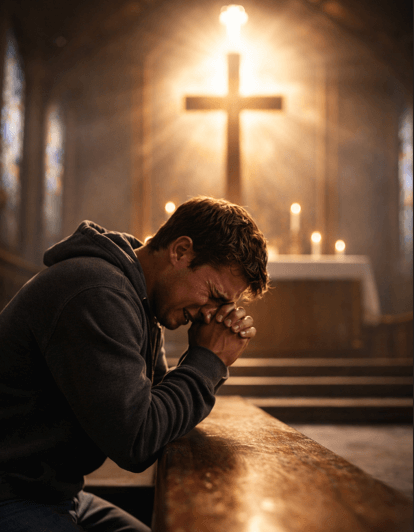

This question has echoed through churches, quiet prayers, and troubled hearts for centuries.
Many people worry that they’ve gone too far, made one mistake too many, or crossed a line God will never erase.
The Bible’s answer is both sobering and deeply hopeful.
God’s Willingness to Forgive
Scripture consistently shows that God is eager to forgive. From King David’s grave moral failures to Peter’s denial of Jesus, the Bible is full of people who sinned seriously – and were restored when they repented.
1 John 1:9 assures believers that if we confess our sins, God is faithful and just to forgive us and cleanse us from all unrighteousness. “All” leaves very little room for exceptions.
God’s forgiveness is not limited by the size, number, or shame attached to a sin. What matters most is the heart’s response.
The “Unforgivable Sin” Explained
Jesus does speak of one sin that will not be forgiven: blasphemy against the Holy Spirit (Matthew 12:31–32). This has frightened many people, but it is often misunderstood.
This sin is not a single bad action, careless word, or moment of doubt. It refers to a deliberate, ongoing rejection of the Holy Spirit’s work, even when the truth is clearly known.
In Jesus’ context, religious leaders saw God’s power at work through Him and knowingly called it evil.
In simple terms, this sin is refusing God’s forgiveness until the end.
Since forgiveness is received through repentance, a person who permanently rejects the Spirit’s call to repentance cannot be forgiven, not because God is unwilling, but because the person refuses to receive it.
A Crucial Reassurance
Here’s an important truth:
If you are worried that you may have committed an unforgivable sin, you haven’t.
A heart that is concerned, convicted, or seeking forgiveness is evidence that the Holy Spirit is still at work.
The unforgivable sin involves a hardened heart that no longer cares, repents, or seeks God.
The Heart of the Gospel
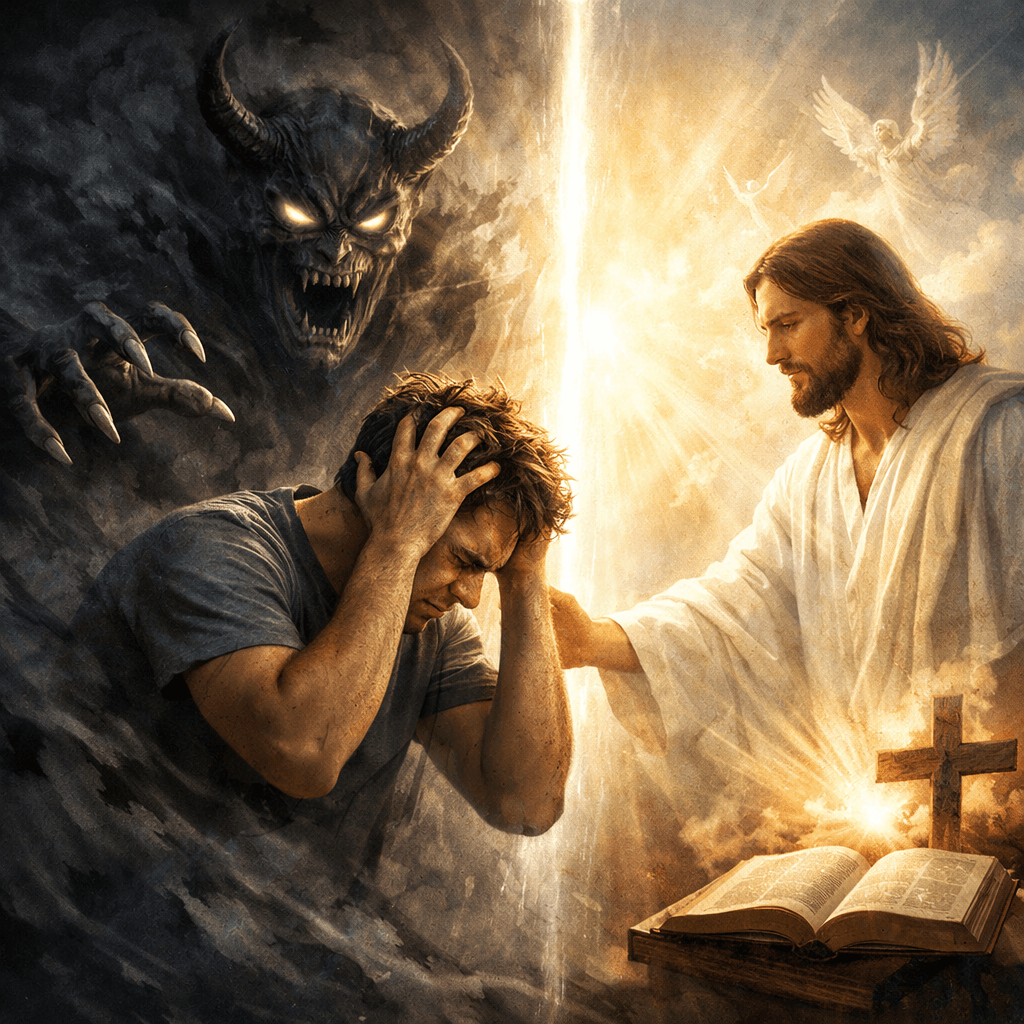
The message of Christianity is not about a God waiting to disqualify people, it’s about a Savior who came to rescue them.
Jesus’ sacrifice was sufficient for every sin: past, present, and future.
The cross stands as proof that God’s mercy is greater than human failure.
Conclusion
There is no sin too dark, no past too broken, and no soul too far gone for God’s forgiveness, except the continual refusal to accept it.
As long as a person is willing to turn back to God, grace remains open.





Leave a Reply